
call us

Cleaning prams, pushchairs, buggies and strollers are an inconvenience most busy parents don't need. The ideal storage solution not only creates more space at home and minimises the chance of damage or forgetting items, it can help you keep your pram clean and free from stains, including mould and mildew.
Buggies and pushchairs are similar, with the names being interchangeable, and are usually the same thing.
The main difference between a pram and a buggy/pushchair is the child's age. Prams are for infants and young babies, often reclining horizontally. Prams are more prominent and sturdier than buggies, made to be pushed rather than carried.
On the other hand, buggies or pushchairs are for older babies and toddlers who can sit up on their own. A buggy is smaller, lighter, folds down easier, and is more compact than prams, making them more transportable.

As stated above, prams are often larger and more robust, so they need a larger storage solution. Pushchairs or buggies can often be folded down and packed away.
If you are considering your options, the following pram storage solutions are worth thinking about:
Garage: If you have this room, you can create a dedicated space for holding your pram. This can be as simple as clearing a corner of the car room and setting up a few shelves or racks to store the buggy and accessories.
Shed: If you have a backyard, consider building a small shed to store your pram. There are similar options in bike sheds or shelters, often made out of metal, and these would be a viable storage solution for prams and buggies.
Closet: If you don't have a garage or shed, you can store your pram in a closet in your home. This can be a convenient option, especially if the closet is near the entrance to your home, or under stairs in a narrow hallway.
Pram bag: Another option is to invest in a pram bag, which is a large bag designed specifically for storing and transporting prams. Pram bags are typically made of durable, waterproof materials and can be a convenient and space-saving option.
Pram cover: If you don't have dedicated storage space, consider using a pram cover to protect it from the elements. Pram covers are designed to fit over the pram and protect it from rain, snow, and other types of weather.
Overall, the best storage solution for your pram will depend on your specific needs, how much access you need and the available space in your property. Consider the size and type of your pram, budget, and personal preferences when choosing a pram storage solution.
When you welcome guests to your home, you don't want a baby buggy dominating proceedings. Yes, it is convenient to have easy access to the buggy, but if it is the first thing visitors see when they visit your house or nursery, it looks messy.
You might think its convenient to place the baby buggy in your nursery, but this isn't good advice. It is messy, it takes up room, and could be a hazard; all things parents hate in their house.
It is generally not recommended to leave a pram outside, as this can expose the pram to the elements, which can cause damage over time.
Prams consist of fabric, plastic, and metal components, which are vulnerable to cold or damp weather like rain, snow, while the sun causes other issues to a baby buggy, so summer and winter pose problems.

In addition, leaving a pram outside can expose it to dirt, dust, and other environmental contaminants, which can also cause damage.
If you need to store your pram outside, it is best to find shelter or a covered area. This will help to protect the pram from the elements and extend its lifespan.
If you do not have access to a covered or sheltered place, consider using a pram cover or bag to protect the pram while it is outside the house, as this offers some shelter.
One of the biggest benefits of storing a pram here is that it keeps it safe and protected from the elements, with a comprehensive range of benefits including:
A pram shed is an alternative option for safe shelter. It is helpful if you don’t have a garage at your house or you have outdoor garden space while having no available room. A messy space can be an unsafe environment for storing a pushchair, so an external option such as a pram shed might benefit.

This external shed will cost money to build, and it might have limited use when your family grows up, and you no longer need a buggy or pushchair storage shed. Also, if the weather is poor, you'll get wet when you access the pram.
A pram bag is a large, durable bag designed specifically for storing and transporting prams. These bags are typically made of waterproof materials, have ample room to hold the buggy and improves your organisation, with secure room for toys, blankets, and snacks.
Pram bags are also typically equipped with handles or straps, making them simple to carry.
One of the biggest benefits of using a pram bag is that it keeps your pram safe and protected from the elements. This is especially important in damp or rainy climates, where mould and mildew can quickly grow on fabric surfaces.
A pram cover is a large, waterproof cover explicitly designed to fit over a buggy. These covers are typically made of durable materials and have elastic edges or straps that help keep the cover securely.
Covers are also typically equipped with ventilation holes, which help to prevent condensation and mould growth on the buggy.
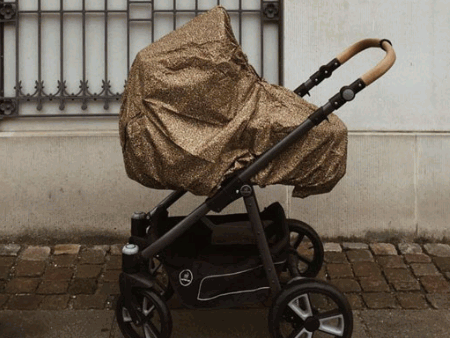
In addition, pram covers are typically lightweight and easy to transport, making them a convenient solution for families who are always on the go.
Also, these covers come in plenty of colours, so not only can you keep your buggy dry, your selection can showcase personality or look fantastic.
Given that garages and sheds can be dirty places, you probably also want to buy a cover or bag for your pram. In this regard, consider using a garage or shed or space under stairs, and a bag or cover to store your pram or buggy.
Also, having more than one storage solution gives you flexibility, ensuring you can protect the baby buggy from dirt and mess no matter where you are.
You have many storage products to choose from, and you'll likely have questions relating to your personal circumstances. The right buggy for one household might not suit you because of how or where you live, which is why you need tailored information, ensuring you chose the best solution.